
Launch Fast or Die Waiting: The Startup Tech Playbook
Speed is not a vanity metric in startups. It is leverage.
The faster you launch, the faster you learn. The faster you learn, the faster you improve. And the faster you improve, the harder it becomes for competitors to catch up.
Yet many startups spend months, sometimes years, building in isolation. They refine, polish, expand, and perfect, all before real users ever interact with the product.
Read More: Your App Idea Is Bleeding Money. Here’s How to Fix It Before Launch
By the time they finally launch, the market has shifted, competitors have advanced, or capital has thinned.
If you are serious about software development for startups, you need a playbook built around speed without sacrificing stability. Launching fast does not mean cutting corners. It means building intelligently, validating early, and scaling deliberately.
Let’s walk through how to do it correctly.
Why Startups Move Too Slowly
Most early-stage companies delay launch for predictable reasons:
- They want a feature-complete product.
- They fear negative feedback.
- They overestimate how much users expect at version one.
- They underestimate the cost of waiting.
Perfectionism disguised as strategy is one of the most expensive habits in startup development.
In reality, users do not expect perfection. They expect value. If your product solves a real problem clearly and reliably, it earns trust even if it is simple.
Waiting to launch until every feature is polished usually results in wasted development time and reduced runway.
The 4 Pillars of Fast Startup Development
A fast launch requires structure. Without structure, speed becomes chaos.
1. Ruthless Scope Discipline
The first version of your product should focus on a single core outcome. That means:
- One primary user persona
- One major problem
- One core workflow
- Minimal supporting features
MVP development is not about building less for the sake of it. It is about focusing only on what validates the idea.
If your roadmap contains features that do not directly support your primary value proposition, they belong in phase two.
2. Phased Custom App Development
Instead of building everything at once, structure development into defined phases:
First Phase: Validation Build
Deliver the core product and release it to real users.
Second Phase: Optimization
Improve onboarding, performance, and feature usability.
Third Phase: Expansion
Add secondary features once retention and engagement are stable.
This phased approach protects your capital and shortens time to market.
3. Lean Technical Architecture
Many founders mistakenly assume scalable architecture requires enterprise-level complexity from day one.
In reality, lean architecture designed for flexibility is often more effective in early-stage mobile app development.
Your system should:
- Handle moderate growth
- Support iteration
- Allow refactoring without massive rebuilds
Overengineering slows development cycles and increases maintenance costs.
4. Tight Feedback Loops
Launching fast only works if you measure intelligently.
Track:
- User retention
- Feature usage
- Conversion rates
- Drop-off points
Software development for startups should always be guided by measurable learning.
Without feedback, fast launches become blind experimentation.
The Cost of Waiting
Delaying launch has tangible consequences:
- Lost revenue opportunities
- Increased development costs
- Delayed market validation
- Reduced competitive advantage
- Higher risk of building unwanted features
Time spent polishing features without user input often results in rebuilding them later.
In startup environments, time is a resource just like money.
AI and Speed: Smart Acceleration
Modern AI tools can accelerate aspects of development such as:
- Code scaffolding
- Testing automation
- UI suggestions
- Workflow optimization
When used strategically, AI shortens development cycles. However, it cannot replace disciplined product planning.
AI should support your launch timeline, not distract from your MVP focus.
Resource for Fast-Moving Founders
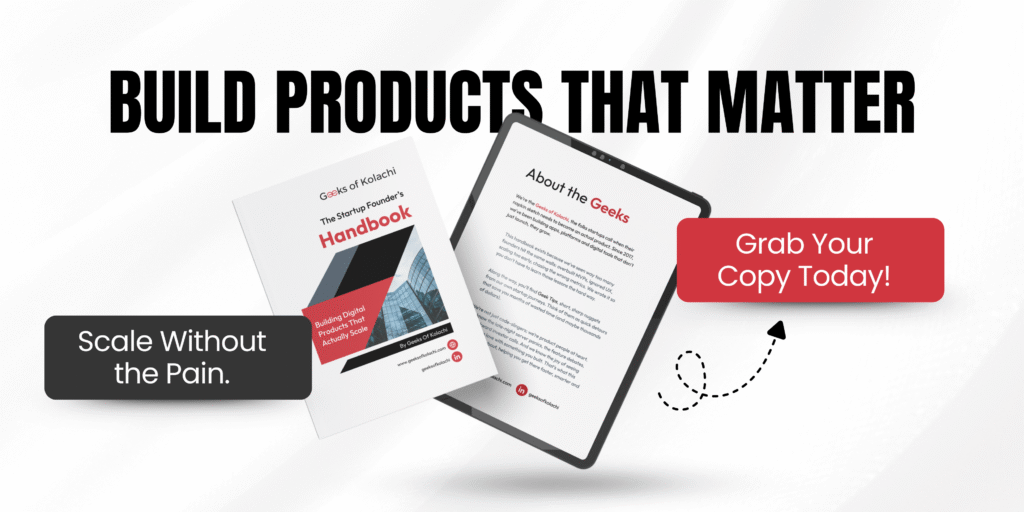
If you want a structured framework for launching and scaling digital products efficiently, this guide outlines practical strategies for maintaining speed without sacrificing long-term sustainability.
Building Smart, Not Reckless
Fast does not mean unstable. The key difference lies in intentional prioritization.
Smart startup development includes:
- Clear sprint cycles
- Defined acceptance criteria
- Continuous testing
- Incremental releases
Reckless development includes:
- Undefined scope
- Constant mid-sprint changes
- No QA process
- No performance planning
The goal is controlled acceleration, not rushed chaos.
When to Bring in Experienced Development Partners
If your internal team lacks experience in lean startup cycles, partnering with specialists in custom app development can significantly reduce delays.
Experienced teams understand:
- How to structure MVP timelines
- How to prioritize features
- How to build scalable yet flexible systems
- How to launch without overbuilding
Speed is easier when systems are predictable.
Additional Strategic Insight

If you are exploring faster development approaches, this guide explains how to leverage modern tools to reduce build time while maintaining structural integrity.
Conclusion: Speed Is a Competitive Advantage
Startups do not win because they build the most features. They win because they learn faster than competitors.
Launching quickly allows you to test assumptions, refine your offering, and adapt to real-world feedback. Waiting for perfection increases risk and drains resources.
The correct approach to software development for startups is structured acceleration: disciplined MVP development, phased custom app development, lean architecture, and strong feedback systems.
Speed reduces uncertainty. Validation reduces risk. Together, they create momentum.
If your product is still in development without a clear launch timeline, it may be time to simplify, focus, and move.
Launching fast is not reckless. In startups, it is survival.
Related:
AI Hype Is Everywhere. Here’s How to Build Something That Actually Works
Why Your SaaS Isn’t Scaling (And the Brutal Fix)